If you changed just one daily habit this year, upgrading what you drink would deliver outsize returns.
Three popular beverages quietly deliver unpopular consequences. They undermine your sleep, weight, blood pressure, mood, and promote long-term disease risk.
Yet chances are high that you drink at least one of them... soda, alcohol, and energy drinks.
Discover a no-nonsense look at the real health risks (not scare tactics), smarter swaps that still feel satisfying, and step-down plans that actually work.
[This is educational, not medical advice. If you’re pregnant, have medical conditions, or take medications, talk to your clinician before major diet changes or quitting alcohol/caffeine.]
1. Soda (Regular and Diet)
Why (Regular) Soda Is Not “Just Empty Calories” – It’s Worse
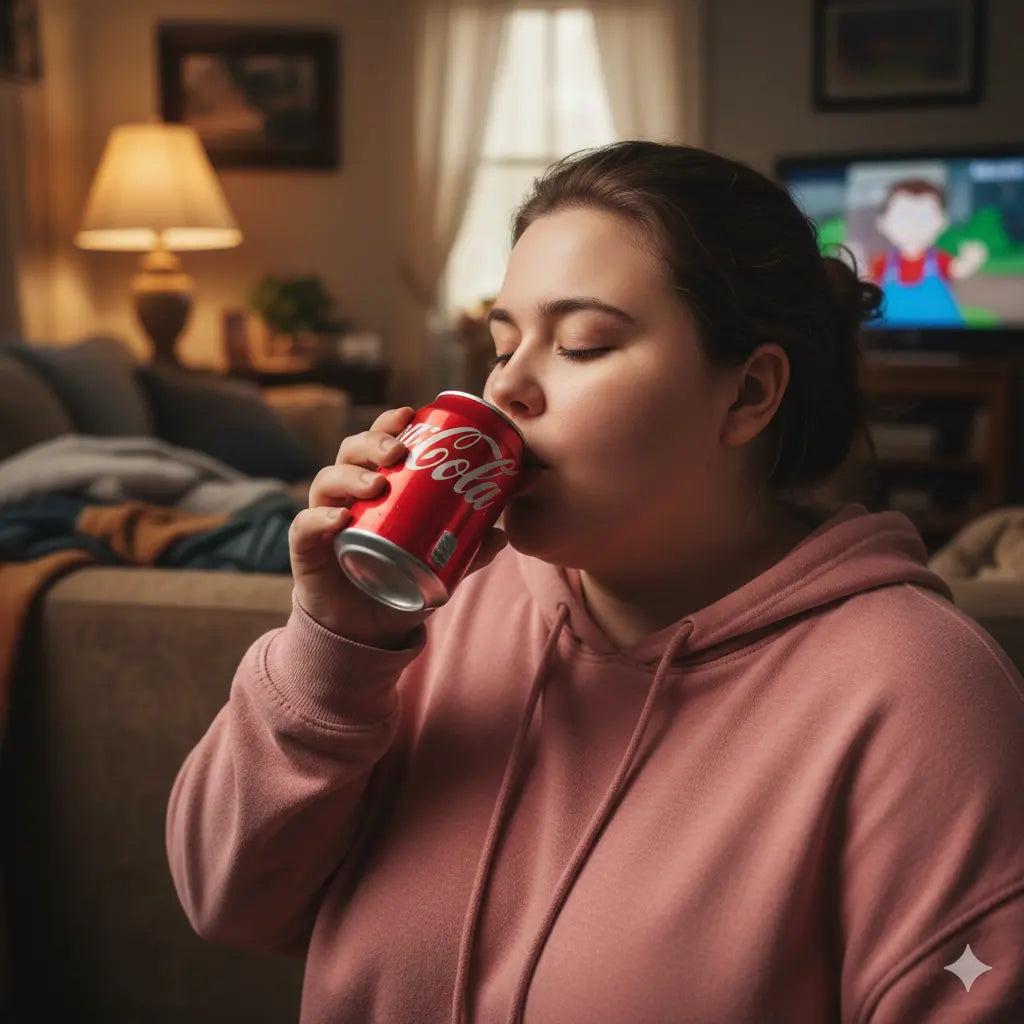
Regular soda is liquid sugar.
A 12-oz can typically packs about 10 teaspoons of sugar, or 39 grams, usually in the form of high fructose corn syrup (HFCS).
Note that the American Heart Association recommends no more than 25 grams of sugar per day for women and 36 grams for men. So, you’ve knocked it out of the park without putting any other sugar or carbs in your mouth all day.
Because it’s liquid, it bypasses many of your body’s fullness signals—so you don’t compensate by eating less.
Over time, frequent sugar use translates to:
-
Insulin spikes & fat storage. Repeated blood-sugar surges nudge your body toward insulin resistance and abdominal fat gain, including around key organs.
-
Fatty liver & triglycerides. Fructose (whether from table sugar or HFCS) is preferentially processed in the liver. Too much promotes elevated triglycerides and fatty liver concerns (i.e., liver damage).
-
Heart risk markers. Habitual sugary-drink intake is linked with a much higher risk of type 2 diabetes, hypertension, and cardiovascular disease over time.
-
Uric acid & gout. High fructose intake raises uric acid, a driver of gout flares in susceptible people.
-
Kidneys & bones. Cola acids (often phosphoric acid) have been linked with lower bone mineral density in some people. High soda consumption also correlates with kidney stone risk.
-
Teeth. Sugar + acids is a perfect storm for dental caries and enamel erosion.
Even within the first 60 minutes, soda does a world of damage. Check out this infographic created by The Renegrade Pharmacist.
Here are the highlights (lowlights) of exactly what happens in that first hour:
-
After 10 minutes, your body tries to cut the sweetness of all that sugar, utilizing phosphoric acid from the soda.
-
At 20 minutes, your blood sugar spikes, triggering an insulin burst.
-
At 45 minutes, caffeine absorption is complete, causing your eyes to dilate, blood pressure to rise, and your brain’s adenosine receptors to be blocked (preventing drowsiness). Dopamine production also goes into hyperdrive, similar to when someone takes heroin.
-
At 60 minutes, the caffeine may send you to the bathroom, where you’ll lose the calcium, magnesium, zinc, sodium, and electrolytes your body wanted to absorb.
-
Next up? That giant sugar crash.
CNN reports that soda can be immensely addictive – due to the well-orchestrated combination of sugar, caffeine, and carbonation. And don’t think you’re scot-free if you drink diet soda.
They’re also addictive, made worse by preparing your brain for a reward (sugar) that never comes, causing your brain to scream, “Get me more!”
This trait has been especially linked to aspartame, the artificial sweetener, which has been found to increase appetite and cravings for sweets.

“Diet” Soda – Not a Free Pass!
Diet soda does not give you the free pass you might think it does.
It drops the sugar but keeps the acid bath for your teeth and the cue > reward habit loop alive.
Artificial sweeteners such as aspartame, sucralose, acesulfame-K, and saccharin are definitely NOT a free pass!
While they cut calories, they still keep your brain hooked on hyper-sweet tastes, which often drives more snacking and food noise later.
Some studies also show they can disrupt appetite signaling, alter the gut microbiome, and worsen glucose tolerance, meaning they may not help metabolic health the way labels and advertising imply.
Observational studies have linked high diet-soda intake with weight gain and cardiometabolic issues (heart, blood sugar, hypertension).
Nor do they fix dental or bone concerns (diet sodas are still acidic). And many people report headaches or GI upset from specific sweeteners (and from sugar alcohols like sorbitol and xylitol).
These “no-sugar” additives don’t do your body any favors.
If you’re weaning off sugar, perhaps use them as a temporary bridge and move toward lightly sweetened or unsweet options (water, seltzer + citrus, unsweetened tea) as your everyday default, which are healthier all-round options.
Bottom line: diet soda is not a wellness elixir—and long-term, unsweet options are the choice landing spot.
All types of soda come with the risk of lower bone mass, higher risk of fractures (especially in women), cardiovascular stress, kidney stones.
And observational studies (Framingham Heart study, 2017) now shows that diet soda is also linked to strokes and dementia.
“But I need the bubbles.” Great—keep them.

Better Swaps (Keep the Fizz, Lose the Damage)
-
Sparkling water + citrus (lime, lemon, grapefruit).
-
Seltzer + 1–2 oz 100% juice such as tart cherry, pomegranate, pineapple. Read the real label on the back of the juice to verify that it’s really 100% juice. Label fraud is common.
-
Unsweetened iced tea (black, green, or herbal).
-
Infused water (cucumber-mint, orange-ginger).
-
Kombucha—check labels; many brands contain 6–8 g sugar per 8 oz, which is high. Cut 50/50 with sparkling water.
Two-Week Diet or Regular Soda Taper Plan
- Days 1–3: Replace every other soda with one of the swaps above.
- Days 4–7: Cut serving size in half (buy minis or pour half down the sink—don’t keep leftovers).
- Days 8–10: Maximum of one/day, and only with a protein-rich meal (less glucose whiplash).
- Days 11–14: Weekday zero-soda rule; optional one on the weekend if you still truly want it.
- Tiny habit hook: Create a ritual for your new drink of choice—nice glass, pebble ice, citrus wedge. Your brain likes the ceremony as much as the sugar.
A month or two into your new no-soda habit, you most likely will feel so much better without it that you won’t even miss it. You cut caffeine and sugar all in one fell swoop.

2) Alcohol
Why “Moderate” Isn’t the Health Shield People Think It Is
Alcohol is a central nervous system depressant.
The immediate “relaxation” often rebounds into fragmented sleep, anxiety, and food cravings the next day. More importantly, routine drinking—even what many call “moderate”—carries clear, dose-dependent risks including:
-
Sleep architecture. Alcohol shortens REM and lightens deep sleep. You may conk out faster, but you wake up less restored, with higher next-day hunger and lower impulse control. A systematic review (2024/2025) showed that even low doses reduce REM sleep. Higher doses may shorten sleep latency (the time it takes to fall asleep) but worsen subsequent REM disruption—overall degrading sleep architecture.
-
Blood pressure & heart rhythm. Regular drinking elevates blood pressure and raises risk of atrial fibrillation (AF or Afib) in susceptible people. Binge patterns add acute rhythm risk, sometimes called holiday heart syndrome. A meta-analysis found that each +1 drink/day was associated with a ~6% higher AF risk (RR 1.06, 95% CI 1.03–1.08). A 2024 meta-analysis found blood pressure increases in a dose-dependent manner.
-
Cardiomyopathy & stroke. Heavy long-term use damages the heart muscle and increases ischemic/hemorrhagic stroke risk.
-
Cancer risk. Alcohol increases the risk of multiple cancers (oral, esophageal, laryngeal, breast, colorectal, liver). There is no proven “safe floor” for cancer risk; less is safer. The esteemed International Agency for Research on Cancer (World Health Organization) classifies alcohol as a Class I carcinogen.
-
Liver & pancreas. From fatty liver to alcoholic hepatitis to cirrhosis, risk rises with dose. The pancreas is also vulnerable... alcohol is linked to pancreatitis (inflammation of the pancreas).
-
Immune & infection. Alcohol impairs immune function, increasing susceptibility to infections and slowing wound healing.
-
Mental health. Alcohol worsens depression and anxiety in many; the “relief” window is short, the rebound is long.
-
Calories & weight. Typical drinks are 150–250 calories (more in cocktails). “A drink or two” most nights quietly adds thousands of empty calories per month.
-
Medication interactions. Interactions are especially risky with sedatives, sleep meds, opioids, certain diabetes and blood pressure meds, and anticoagulants.
If you’re pregnant or trying to conceive, the recommendation is no alcohol. If you have liver disease, heart rhythm issues, a history of addiction, or are on interacting meds, talk to your clinician—abrupt changes can be unsafe in some circumstances.
How to Make “Not Drinking” Just As Satisfying
Better swaps (keep the vibe, ditch the ethanol):
- Zero-proof wine/beer/spirits (≤0.5% ABV). Look for low sugar options (ideally <4 g/serving).
- Bitters & soda (choose alcohol-free bitters), citrus twist, fancy glass.
- Tart mocktails (2 oz unsweet cranberry + ½ oz lime + seltzer; or grapefruit with a rosemary sprig).
- Alternate evening wind-down ritual. Warm shower, 10-minute stretch, herbal tea (or tart cherry juice, unsweetened) 60–90 minutes before bed... none of which disrupt sleep.

Four-Week Cutback (or Quit) Plan
-
Week 1 – Audit & anchor. Track nights and reasons. Schedule two alcohol-free nights with a replacement ritual.
-
Week 2 – Portion & pace. Cap to 1 drink twice per week, using a 1:1 water rule. Choose lower-ABV options if you do drink.
-
Week 3 – Context swap. Change “drink o’clock” into move o’clock. Take a 10-minute walk or 5-minute stretch before making any beverage decision.
-
Week 4 – Dry run. Go alcohol-free for 7 days using non-alcoholic (NA) options. Note changes in sleep, skin, weight, and morning energy in a journal, before deciding your long-term plan.
Important: If cutting back is hard or you notice shakes, sweats, hallucinations, seizures, or severe anxiety when you stop, seek medical guidance—do not go cold turkey alone, especially if you’ve been drinking a considerable amount for a long time. These require medical attention.

3) Energy Drinks
Why Energy Drinks Are Uniquely Problematic
Energy drinks combine high caffeine with acids, sugars (and other intense sweeteners), and often additional stimulants (e.g., guarana—which itself is a source of caffeine—plus taurine and various compounds).
Energy drink marketing promises alertness. The reality can include heart palpitations, blood pressure spikes, anxiety, sleep disruption, and—in rare but real cases—cardiac emergencies and death.
Here are some of the many problems associated with energy drinks:
-
Caffeine load. Many cans deliver 160–300+ mg caffeine. For perspective, a single 1-oz espresso shot has 60–75 mg and a regular cup about 95-100 mg. So, one “standard” 16-oz energy drink can be the equivalent of 2–4 espresso shots—downed quickly, often on an empty stomach. Some oversized energy drink cans contain two servings but look like one.
-
Stealth stacking. Add a morning coffee, a pre-workout, or a second can, and you can easily blow past 400 mg/day (a common upper limit guideline for healthy adults) without noticing.
-
Cardiac symptoms. Rapid or irregular heartbeat, elevated blood pressure, tremors, and possibly even cardiac arrest, can follow large or fast doses—especially in people with underlying heart conditions, on interacting medications, or with low body weight (including children).
-
Neurological and mental health symptoms. Tremors, anxiety, irritability, restlessness, panic, and depression can follow large or fast doses. It can also lead to suicidal ideation.
-
Sleep & performance. Afternoon or evening use can completely shred sleep architecture. In turn, poor sleep then worsens anxiety, cravings, and fatigue, prompting yet another can of energy drink.
-
Sugar bomb. Sugary versions rival soda for blood-sugar spikes. And both sugary and artificially sweetened types perpetuate the stimulation habit loop.
-
Acid bath erodes tooth enamel. Both sugary and sugar-free versions expose teeth to acids.
-
Add alcohol, raise danger. Mixing energy drinks with alcohol masks intoxication, encouraging higher alcohol intake and riskier decisions.
-
Children & teens. Major pediatric and cardiology groups advise that children and adolescents should not consume energy drinks. Their smaller bodies and developing hearts/nervous systems are more vulnerable to caffeine and stimulant effects. Speak with your children about energy drink dangers.
-
Untimely deaths. Case reports and investigations have linked rare but tragic sudden cardiac events to extreme energy-drink consumption or stacking with other stimulants—especially in young people, those with undiagnosed heart issues, or during strenuous activity. While uncommon, the severity of these outcomes is exactly why caution is warranted.
Practical takeaway: Energy drinks are inappropriate for kids and a poor choice for adults seeking real and sustainable energy.
For caffeine, brewed coffee or tea with known doses and timing is far safer. Even then, adults with arrhythmia and other heart concerns might be well-advised to cut their caffeine consumption down to near zero.

Smarter Energy (That Actually Works)
-
Measured caffeine. Brewed coffee or tea where you control dose and timing; for a smoother feel, try matcha or yerba mate (both contain caffeine, so enjoy them early in the day).
-
Half-caf plan. 50/50 regular + decaf to step down without withdrawal symptoms.
-
Hydration & electrolytes. Many “energy slumps” are a sign of dehydration. Drinking sweetener-free electrolytes in water can perk up your focus – and with far fewer risks.
-
Prioritizing sleep. Getting 7 to 8 hours of solid sleep every night will help reduce the felt “need” for a caffeine fix.
-
Protein + fiber snack. Greek yogurt + berries; nuts + fruit; eggs + whole grain toast. Blood-sugar dips often masquerade as “low energy.”
-
Morning light & movement. 5–10 minutes of daylight exposure first thing in the morning, and a brisk walk can switch on your circadian “day mode,” improving alertness naturally. Even for a mid-afternoon slump, you’re better off taking a 10-minute walk to revive your alertness than consuming an energy drink. And it’ll aid your sleep instead of destroying it.
One-Week Taper-Off Energy Drinks
-
Days 1–2: Replace your energy drink can with coffee/tea of similar caffeine content. Hydrate well.
-
Days 3–4: Switch to half-caf or reduce size.
-
Days 5–6: Coffee/tea only -- in the morning, none after noon.
-
Day 7+: Keep total under ~400 mg/day (adults). If you’re sensitive, on interacting meds, have a heart condition, or are pregnant, aim lower (e.g., ≤200 mg/day with clinician guidance).
To avoid a headache, transition off over a few days, add a protein-rich breakfast, and use brief light exposure + a 10-minute walk to nudge alertness while your brain recalibrates to less caffeine.
Habit Mechanics: How to Make Your New Choice the Easy Choice
People are resilient, but that doesn’t mean change is a snap. Here are some tips to make your new choices stick.
-
Change the environment. Remove trigger beverages from your house/car/desk/workout bag. Stock swaps to be pre-chilled and at eye level.
-
If–Then plans. “If I crave soda at 3 pm, then I’ll pour seltzer + lime first and set a 10-minute timer.”
-
Pairing. Watch your favorite show or scroll social while sipping your new non-alcoholic (NA) drink. Attach pleasure to the new habit.
-
Track streaks. Put a checkmark on a calendar for each soda-free, alcohol-free, or energy drink-free day. Streaks motivate. See how long a streak you can get.
-
Mind the common HALT triggers. Hungry, Angry, Lonely, Tired. These factors drive impulsive drinking of whatever persuasion. Pre-empt with a large glass of water (curbs appetite), a snack, a brief walk, or texting or calling a friend.

A 7-Day Quick-Start Plan – New Sips in 2026
Day 1 (Mon) – Audit what/when/why you drink. Stock your new swaps: citrus, seltzer, herbal teas, and low-sugar mocktail options.
Day 2 (Tue) – Start by swapping every other soda/energy drink. Create an alcohol-free evening with a mocktail ritual.
Day 3 (Wed) – Keep your swaps going. Cap caffeine by noon. Add a post-dinner walk instead of a nightcap.
Day 4 (Thu) – Cut soda portions in half; try alcohol-free beer/wine or bitters-and-sparkling water with dinner.
Day 5 (Fri) – Social plan: bring NA options and set a 1–2 drink cap if you drink. Always eat food with alcohol, never on an empty stomach.
Day 6 (Sat) – Zero energy drinks. Brew coffee or tea at home. Hydrate before outings. Take water in a glass or steel bottle wherever you go.
Day 7 (Sun) – Dry day. Batch a pitcher of “house seltzer” (fruit/herbs) and chill NA choices for the week.
What Success Looks Like in 30 Days
-
Sleep. Skip the 3 a.m. wakeups; more morning energy.
-
Mood & focus. Less afternoon anxiety and fewer brain-fog dips.
-
Cravings. Fewer “have to have it” urges and a steadier, controlled appetite.
-
Weight & labs. Many notice belt-notch changes; long-term, cutting sugary drinks improves triglycerides and waistline. And may be a milestone key to meaningful weight loss.
-
Teeth/skin: Less enamel sensitivity; some enjoy clearer skin (from better sleep + lower sugar).
Conclusion
Soda (all types) works against metabolic, cardiac, liver, dental, and bone health and feeds cravings. Keep the bubbles—lose the sugar and acids as your new daily default.
Alcohol undermines sleep and raises the risk of hypertension, arrhythmias, liver disease, and multiple cancers. Fewer, such as on intentional occasions only—or none—wins.
Energy drinks compress 2–4 espresso shots into an acidic, additive-laden, sugary can, often slammed fast. They are inappropriate for children, and most adults would feel better with measured caffeine (coffee/tea), daylight, movement, hydration, and nutrition.
You don’t need perfection. But consistency is a clear winner.
Swap soda for smarter fizz, skip the alcohol, and replace energy drinks with measured caffeine plus sleep and nutrition basics.

FAQs
1. Is diet soda okay if I’m losing weight?
Diet soda can be a bridge away from sugary soda but aim to transition toward 100% unsweet options as your ongoing lifestyle.
There’s ample evidence that the fake sweet taste plays tricks on your brain and may, in fact, increase weight gain. Plus, it doesn’t do your teeth any favors.
2. Isn’t a little red wine heart-healthy?
Past headlines have overstated benefits. Alcohol raises several risks (e.g., cancer, blood pressure, heart disease). You can get polyphenols (resveratrol, etc.) from grapes and berries or supplements—without any ethanol.
3. Are “natural” energy drinks better?
“Natural” is a label, not a dose. And there is no set standard for what “natural” means in any food or beverage context. Check actual caffeine mg per serving (and servings per can), sugar, and timing (avoid after noon).
For kids and teens, no energy drinks ever.



Share:
Health Goals Fail Because They Don’t Fit Your Life — Here’s How to Build a Minimum Viable Routine
Building a Better Body: Why the Old Food Pyramid Was a Fraud