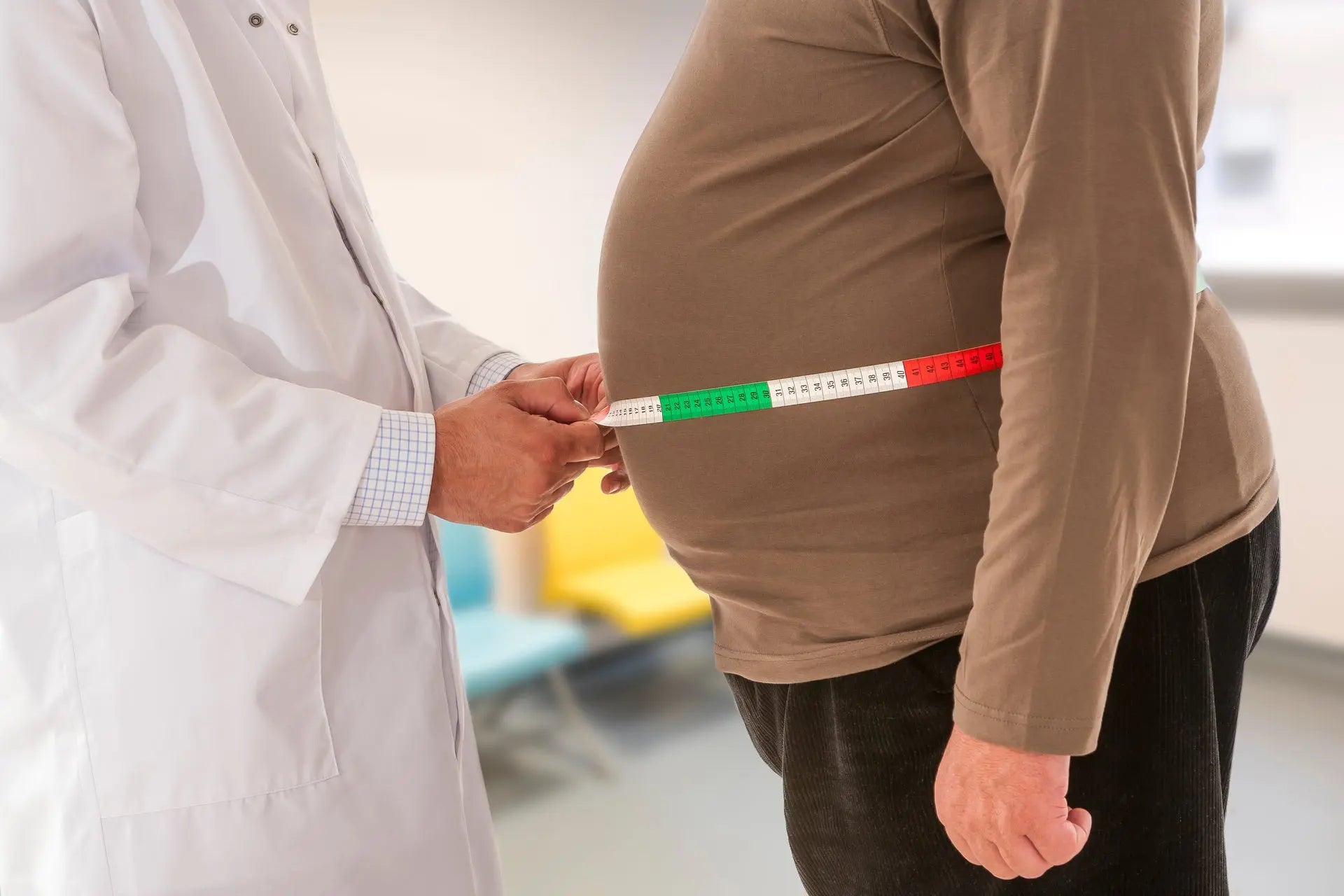
For nearly half a century, the "Food Guide Pyramid" was the undisputed blueprint for human nutrition. It featured a wide, sturdy base of 6 to 11 servings of bread, cereal, rice, and pasta. Which became a recipe for the obesity and diabetes epidemic of today.
Not an Accidental Oversight
The instability of the 1992 Pyramid was not merely an accidental oversight. Instead, it was a masterpiece of corporate lobbying and scientific "cherry-picking."
The foundation of the "low-fat" movement was built largely on the Seven Countries Study by Ancel Keys, a flawed piece of research that purposefully excluded data from the15 countries that didn't fit his "saturated fat is evil" narrative.
While Keys was busy vilifying butter and eggs, the burgeoning processed food industry—led by massive grain and sugar conglomerates—was securing its seat at the USDA table.
By lobbying to place 6–11 servings of carbohydrates at the base of the pyramid, these industries ensured a permanent market for their products, effectively turning the American diet into a profit-driven experiment.
We were told to "protect our hearts" by eating the very refined sugars, grains, and seed oils that we now know are the primary drivers of metabolic dysfunction, chronic inflammation, and yes, also heart disease, dementia, and cancer.

Disastrous Outcomes
As we look back from the vantage point of 2026, the data has been disastrous. Since the introduction of that original food pyramid...
-
Obesity rates have tripled.
-
Type 2 Diabetes has become an epidemic.
-
Heart disease remains the leading cause of death.
The "base" of our diet was built on a foundation of sand.
Modern nutritional science and the new food pyramid have officially inverted the model.
The "New Food Pyramid" isn't just a reshuffling of food groups. It is a biological intervention designed to align with our evolutionary DNA.
By shifting the focus from calories to hormonal signaling, this new model provides a roadmap for effortless weight loss and the closing of the "Mitochondrial Efficiency Gap" -- defined as the gap that's created when we eat foods that are high in energy but low in biological utility (micronutrients).
Part I: The Hormonal Lock—Why the Old Base Failed
To understand why the new food pyramid works, we must first understand why the old one made us sick and fat.
The old food pyramid was based on a "Calories In, Calories Out" (CICO) model. It assumed that 100 calories of crackers were metabolically identical to 100 calories of steak. We now know this is absolutely false.
The Insulin Gatekeeper
When you eat the 6–11 servings of grains recommended by the 1992 pyramid (compared to the 2-4 servings in the new pyramid), your body breaks those carbohydrates down into glucose.
This triggers the pancreas to secrete insulin. Insulin is an anabolic hormone—it is the body’s primary energy storage signal.
While insulin is necessary, chronic elevation (caused by a grain-heavy diet) creates a state of "hyperinsulinemia." In this state, insulin acts as a chemical lock on your adipose tissue (fat stores).
Insulin tells the body: "Energy is plentiful; do not burn stored fat."
As long as insulin is high, it is biochemically impossible to effectively burn body fat, regardless of how many calories you cut.

The New Foundation: Structural Satiety
The New Pyramid replaces grains with fibrous vegetables and leafy greens. This works because of "Mechanical Satiety."
Your stomach has stretch receptors that communicate with the vagus nerve.
By filling the "base" of your day with high-volume, low-density fiber, you trigger these receptors to signal the brain that you are full, all while keeping insulin at a baseline level.
This "unlocks" the fat cells and allows the body to begin utilizing its own energy stores. Here are the veggies to eat and why:
1. The Stalks and Stems (Like Celery)
They’re the most "fibrous" because they contain high amounts of insoluble fiber, which doesn't dissolve in water and acts like a "broom" for your digestive tract.
- Celery: High water content, very low calorie, excellent for "crunch" satiety.
- Asparagus: Contains asparagine, a natural diuretic, helping with the "bloat" often associated with the old grain-heavy pyramid.
- Fennel: Great for digestion and has a unique "bulk" that feels very filling.
2. The Cruciferous Giants
These are the "heavy hitters" for weight loss because they are dense and require significant chewing, which slows down the eating process (allowing satiety hormones to catch up).
- Broccoli & Cauliflower: High in fiber and sulforaphane (great for liver detox).
- Brussels Sprouts: Extremely dense in fiber; one of the most filling vegetables per gram.
- Cabbage (Red and Green): The ultimate "bulk" food for salads, soups, and slaws.
3. The Leafy Greens
While these have less "structural" fiber than a broccoli stalk, they provide the micronutrients that close the Efficiency Gap.
- Kale & Swiss Chard: "Tougher" greens that provide significant roughage.
- Spinach & Arugula: Softer but still provide excellent volume for very few calories.
4. The "Crunch" Factor
- Radishes & Jicama: Provide a starch-like crunch without the high carbohydrate count of a potato.
- Bell Peppers: High in Vitamin C and fiber, providing "structural" volume to meals.
It’s very hard to "overeat" celery or broccoli because the physical act of chewing triggers the release of PYY and GLP-1 (your natural satiety hormones) before you can consume too many calories.

Part II: The Protein Leverage Hypothesis
In the middle of our new food pyramid sits high-quality protein. This is perhaps the most critical "Why it Works" section of the modern dietary shift.
The “Thermic Effect of Food” Advantage
Not all macronutrients require the same amount of energy to process within the body. This is known as the Thermic Effect of Food (TEF).
- Carbohydrates take about 5–10% of their energy to digest.
- Fats take about 0–3%.
- Protein takes a massive 20–30%.
When you prioritize protein, you are essentially increasing your metabolic rate just through the act of eating.
If you consume 1,000 calories of protein, your body effectively "nets" only 700–800 calories because it burns the rest just to break the protein down into amino acids.
Amino Acid Sensing
Additionally, the brain has a specific "protein sensor" in the hypothalamus.
If you skimp on essential amino acids, your brain will keep your hunger signals turned "on," driving you to overeat fats and carbs in a desperate search for protein. This is the Protein Leverage Hypothesis.
By hitting your protein targets early in the day (the center of our new pyramid), you satisfy this sensor and naturally reduce your total caloric intake by 200–400 calories per day without "trying" to diet.
Incidentally, high protein doesn’t have to mean “all meat, all the time.” High protein foods also include eggs, dairy (milk, cheese, plain yogurt), fish, poultry, beans, and lentils as well.
Part III: Repairing the Mitochondrial "Efficiency Gap"
The "Efficiency Gap" that opens in our 40s is a result of our mitochondria becoming "leaky" and less efficient. The New Food Pyramid is specifically designed to address this cellular decline.

The Role of Healthy Lipids (Fats)
The old pyramid told us to avoid fat. The new pyramid tells us to select the right lipids.
Saturated and monounsaturated fats (like those found in pure olive oil, avocado, and grass-fed butter) are stable.
Conversely, the seed oils (soybean, canola, corn) that replaced them in the 1980s and 1990s are highly polyunsaturated and prone to oxidation. These are also the same oils found in nearly all processed foods.
When you consume these seed oils, they incorporate into your mitochondrial membranes, making the membranes more prone to creating highly damaging Reactive Oxygen Species (ROS).
By returning to the stable fats at the heart of the new pyramid, you are essentially "retrofitting" your cellular power plants with better insulation, closing the efficiency gap, and restoring your "burn rate."
Part IV: The Microbiome & the "Inflammaging" Shield
Near the bottom of the new inverted pyramid, we find fermented foods and low-glycemic fruits (berries). This tier is not about energy; it’s about information.
Short-Chain Fatty Acids (SCFAs)
When you eat the fiber from the wide top and the polyphenols from the berries, your gut bacteria produce short-chain fatty acids such as butyrate.
Butyrate is a powerful epigenetic signaling molecule. It travels to the brain and the heart, turning off inflammatory genes and improving insulin sensitivity.
This addresses "Inflammaging"—the low-grade, chronic inflammation that characterizes the biological shift at around age 44.
By feeding the microbiome, you aren't just losing weight. You are cooling the "fire" in your arteries that leads to plaque buildup, AFib, and other inflammatory diseases.

Part V: The Peak—Why the "Tip" Matters
At the very tip of the bottom of the new inverted pyramid are the "recreational" foods: processed sugars and refined grains. In the old model, these were seen as a "treat."
In the new model, they are recognized as the metabolic disruptors that they truly are.
When you consume refined sugar, you aren't just getting "empty calories." You are receiving a massive dose of fructose, which, as Dr. Richard Johnson’s research shows, triggers a "survival switch."
This switch tells the mitochondria to intentionally slow down and store fat in preparation for a "famine" -- one that never comes.
By keeping sugars and grains at an absolute minimum, you prevent the "survival switch" from being flipped, keeping your metabolism in "thrive mode" rather than "survive mode."

Part VI: Implementation and the "2026 Lifestyle"
To achieve the 1,800–2,000 calorie target while following this pyramid, the structure of a typical day looks like this:
-
The Foundation (60% of Volume): 6–8 cups of varied vegetables (celery, cruciferous, leafy greens, peppers, onions).
-
The Core (25% of Volume): 0.8g to 1g of protein per pound of target body weight.
-
The Fuel (10% of Volume): 2–4 tablespoons of high-quality fats (EVOO, avocado oil, grass-fed butter).
-
The Information (5% of Volume): 1 serving of fermented food and 1/2 cup of berries.
The Result: Metabolic Flexibility
The ultimate goal of this new pyramid is Metabolic Flexibility. This is the ability of your body to switch seamlessly between burning the food you just ate and burning the fat on your hips.
The old pyramid made us "sugar burners," trapped in a cycle of hunger every 3 hours. The new pyramid turns us into "hybrid engines."
And by eating more protein, we might stay satiated long enough to cut out unhealthy snacks and enable permanent weight loss.
There’s one other overriding message in the new food pyramid. “Eat Real Food.”
They (RFK and the USDA) were very clear about the need to choose single-ingredient foods and sidestep processed foods with their many unpronounceable ingredients. It’s a key part of a blueprint for longevity.
Conclusion: A Blueprint for Longevity
Weight loss is not a math problem and never has been. It is a chemistry problem. If you try to solve it using the old 1992 pyramid, you are fighting against 2 million years of human evolution.
By inverting the pyramid—prioritizing fiber for satiety, protein for metabolic rate, and stable fats for mitochondrial health—you stop fighting your body and start leading it.
You close the efficiency gap, you lower the inflammatory "friction" in your heart, and you achieve a weight that isn't just "thin," but metabolically robust.
While some experts are pushing back against what they view as over-emphasis on whole fat dairy and red meat, it definitely moves the conversation in a direction that many clinicians and researchers have advocated for years. And it's likely that the red meat and dairy that was eaten for millennia would serve us better than a base of 6-11 servings of carbs per day in 2026 and beyond.
Don’t expect the new food pyramid to do all your thinking for you. Watch your lab markers. Tweak your diet with the help of a knowledgeable holistic practitioner who specializes in metabolic health for best results.

Frequently Asked Questions
1. Why am I not losing weight on a low-calorie diet?
Most traditional diets fail because they focus on quantity (calories) rather than quality (hormonal signaling). When you follow the old food pyramid’s grain-heavy base, your insulin levels stay chronically elevated.
High insulin acts as a "chemical lock" on your fat cells, preventing your body from burning stored energy regardless of how few calories you eat.
By switching to a protein and fibrous-vegetable foundation, you lower insulin and "unlock" your metabolism.
2. What are the best food swaps for weight loss on the New Food Pyramid?
The fastest way to see results is to swap "high-glycemic" fillers for "nutrient-dense" foundations.
- Instead of Pasta: Use "Zoodles" (zucchini noodles) or Spaghetti Squash.
- Instead of Rice: Use Cauliflower Rice or finely chopped sautéed cabbage.
- Instead of Morning Toast, Bagel, or Cereal: Try a high-protein breakfast such as eggs with spinach and avocado.
- Instead of Seed Oils (Corn/Canola/Soybean): Use Extra Virgin Olive Oil, Butter, or Ghee to reduce systemic inflammation. Avoid packaged foods, which are filled with seed oils.
3. What exactly are "fibrous vegetables," and why do they stop hunger
Fibrous vegetables are low-starch plants like celery, broccoli, kale, and asparagus. They work through a process called "Gastric Distension."
Because they’re packed with insoluble fiber and water, they physically stretch the stomach lining.
This sends an immediate signal via the vagus nerve to your brain that you’re full, triggering the release of satiety hormones like natural GLP-1 without spiking your blood sugar.
4. Is it possible to fix a "broken" metabolism after age 40?
Absolutely. What many people call a "slow metabolism" is actually the Mitochondrial Efficiency Gap at work.
As we age, our cellular power plants become less efficient at burning fuel, especially if we’ve followed the old, grain-heavy food pyramid for decades.
By switching to the new blueprint—prioritizing high-quality proteins and stable fats—you provide your mitochondria with "cleaner" fuel and the building blocks they need to repair themselves.
You aren't just losing weight; you are biologically "upgrading" your body’s ability to produce energy.
5. Do I have to give up carbohydrates completely to lose weight?
No. The new blueprint isn't "zero-carb"; it is "smart-carb." Instead of getting your carbohydrates from refined grains (bread, pasta, cereal), you get them from low-glycemic sources like berries, leafy greens, and cruciferous vegetables.
This provides all the glucose your brain needs while keeping your "fat-burning switch" turned on.


Share:
3 Popular Drinks with Unpopular Consequences
The Dark Side of the “Skinny Shot”