
[Read time: about 2½ minutes]
Decades of research and thousands of studies show that curcumin offers a wide variety of health benefits.
But it has a glaring problem... absorption.
And as it turns out, the best method to boost absorption is far different than you think... and different than what's usually touted as the solution.
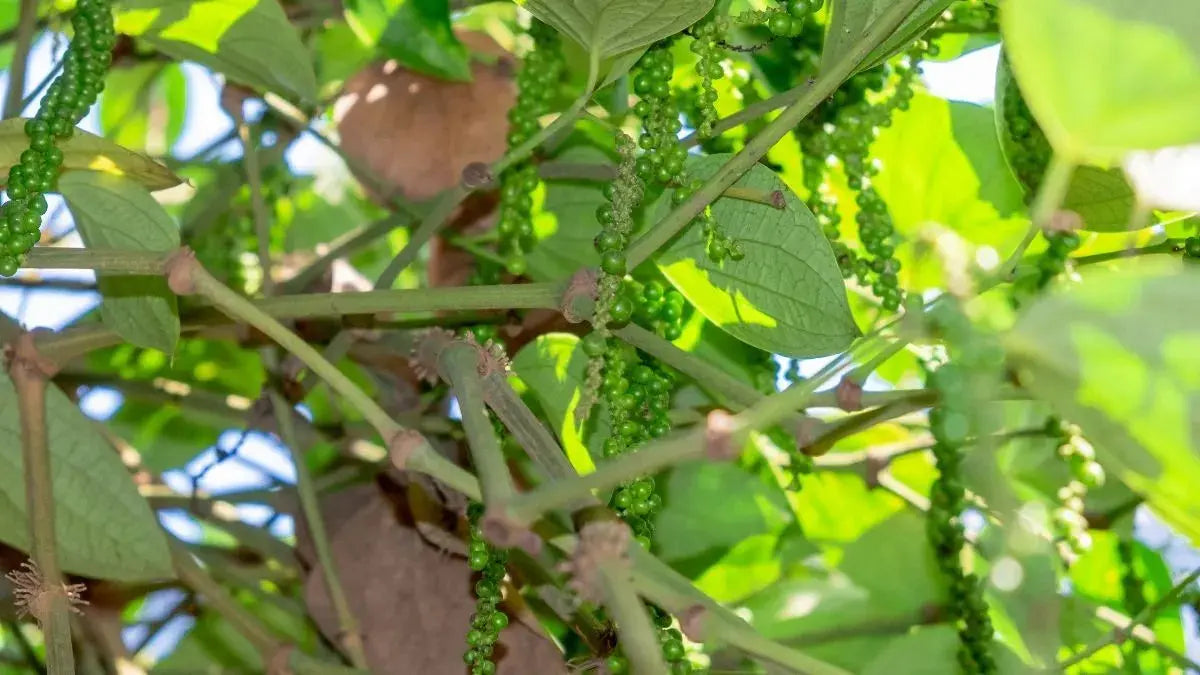
A black pepper compound called piperine (which is the foundation of BioPerine®) has been pitched as the go-to solution for curcumin availability. But it presents some major problems for your health.
Major problems with piperine..
While piperine may appear benign, research suggests that piperine can damage your liver or other organs.
And significantly, piperine negatively alters drug metabolism. Which contraindicates use of it if you take any prescription medications.
Drugs.com has identified several prescription drugs (as well as supplements) that piperine interferes with.
Piperine triggers spikes in blood levels of drugs (and herbs). Therefore, you should be wary about taking anything containing piperine if you’re on any prescription drug.
As just one example, it increases the toxicity of cancer treatment drugs.
Therefore, cancer patients taking curcumin for its anti-cancer benefits should always take a brand with no piperine added.
But this advice applies to anyone on any drug... not just cancer drugs. If you take any drug, please read the label to see if your curcumin contains piperine.
But wait... there’s more!
Piperine/BioPerine® can also irritate your GI system, potentially causing nausea, diarrhea, and constipation. People with a history of GI issues should avoid piperine.
Piperine also inhibits certain gut enzymes that help break down nutrients. And may also be implicated in leaky gut.
What’s more, piperine may lead to gastric irritation and bleeding. In a study, a single large dose of 30-100 mg of piperine induced mucosal micro-bleeding in volunteers at levels similar to a 655-mg dose of aspirin.
Piperine is also linked to respiratory problems, including asthma attacks.
WebMD warns that piperine can cause skin rashes and even hives.

All that trouble for REDUCED curcumin benefits?
Now a new study shows that piperine actually reduces the health benefits of curcumin, instead of enhancing them.
Researchers tested standard curcumin against curcumin with piperine in animals. They found that piperine reduced curcumin benefits – including blood sugar balance and oxidative stress levels.
Curcumin with piperine also stimulated elevated liver enzymes.[i][i] Arcaro CA, Guiterres VO, Assis RP, et al. Piperine, a natural bioenhancer, nullifies the antidiabetic & antioxidant activities of curcumin in streptozotocin-diabetic rats. PLoS One. 2014 Dec 3;9(12):e113993. https://www.ncbi.nlm.nih.gov/pmc/articles/PMC4254914/



Share:
A Popular Herb to Boost Your Immune, Digestive, and Heart Health
PRP – The Effective Joint Treatment Hardly Anyone Knows About