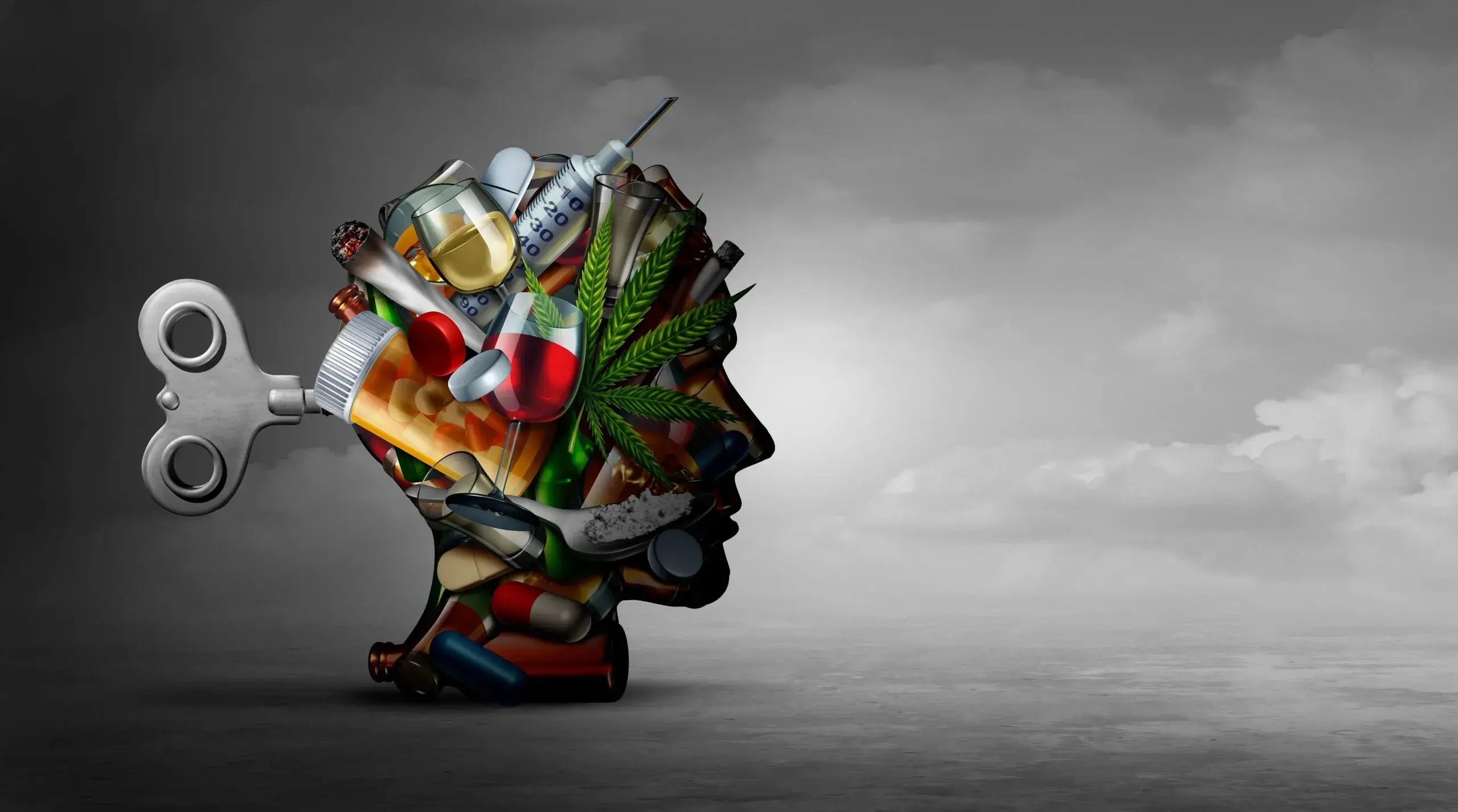
Addictions can be a real problem... and can be life-threatening.
But are addictions as “untreatable” as they’re assumed to be?
One M.D. has found a compelling way to address addictions... without the addicted person even needing to try.
Charles Gant, M.D., writes in his book, End Your Addiction Now, that treating the root problem resets the brain so the addicted individual can heal without trying.
If you find that an interesting prospect, please read on. Gant got such a profound cure rate with his patients that the city of Washington D.C. approached him to help them with their pervasive addiction problem.
Why Conventional Approaches Don’t Work
Many patients have experienced frustrations with the conventional strategies used by most drug and alcohol rehabilitation centers.
On average only 25% of people treated via conventional methods recover. Before you get excited about curing 25%... you should realize that 20% of patients recover totally on their own.
That means it’s a pretty close call between conventional methods and “winging it.”
Those are pretty lousy odds!
Dispelling the Myths
Do you believe any of these common myths about addictions? Let’s dispel them now.
1. Myth: Compulsive substance abuse is a sign of moral or spiritual weakness.
2. Myth: Drugs and alcohol are the direct causes of substance abuse.
3. Myth: Clinical substance abusers are “victims” of a disease that can be treated like we treat other diseases... i.e., with prescription drugs.
4. Myth: Once you successfully stop using drugs or alcohol, you’ll struggle with the threat of relapse for the rest of your life.
None of these is true.
How Your Brain Is Wired
Within each cell in our body, trillions of chemical reactions occur every second of our life.
Each reaction requires specific nutrients in specific amounts to work. If you don’t give your cells the tools they need, you'll end up with biochemical imbalances.
Imbalances in the brain's neurons are particularly problematic.
Neurons produce chemical substances called neurotransmitters.
Here’s the problem...
Addictive substances can make your brain feel like it’s getting the real thing – the precursors it needs to create your neurotransmitters. Even if they’re a fraud.

When Things Go Wrong in Your Brain...
Ever used any of these potentially addictive substances?
Nicotine, alcohol, cocaine, heroin, Prozac, Valium, Ritalin, opiates, and methamphetamines are all substances that function by short-circuiting your brain chemistry.
They work – and become addictive – by literally stealing the role of neurotransmitters in the brain.
These substances make us feel better – but only temporarily. They “fool” your brain into thinking it is producing enough of certain neurotransmitters.
Dr. Gant is convinced from the research and his own clinical experience that substance problems stem primarily from biochemical imbalances that undermine brain balance.
The addictive substances artificially stimulate receptors for various neurotransmitters. They’re “fake,” not the real thing.
These substances are mind-altering toxins. They deplete your nutrient levels, so you crave more of them to compensate for reduced nutrient levels. That’s how you become dependent on them.
Fortunately, you can’t form the same kind of dependence on nutrients. They’re real, not fake. And they can help you get your life back.

The Solution: Rebalance Brain Chemistry
The path to recovery is to rebalance brain chemistry.
In this week’s podcast, Mary Jane Fry talks with host Adam Payne about Endolyft for brain balance.
Endolyft was the brainchild of Dr. Gant. It contains six precursors to important neurotransmitters that support brain balance.
Dr. Gant’s book, End Your Addictions Now, contains questionnaires to help you identify your particular needs. He goes into significant depth about various types of neurotransmitters – and which ones tend to be upended by particular substances.
In addition to feeding your brain its preferred nutrients for good brain balance, Endolyft is a useful tool for sleep quality... except you’ll want to take it in greatly reduced amounts compared to what you'd take for addictions... like ¼ to ½ a scoop instead of one to two scoops per day.
Dr. Gant recommends taking Endolyft throughout the day for addictions so your neurotransmitters have a constant supply of the nutrients they silently crave.
Mary Jane Fry suggests taking the smaller doses in the evening about an hour before bedtime to settle in on a long night’s snooze.
In both cases it can set you free to be the person you want to be, and enjoy the wellness you crave.
Source: End Your Addictions Now: The Proven Nutrient Supplement Program that Can Set You Free, Charles Gant, MD & Greg Lewis PhD



Share:
Key to Living Longer... AND Healthier
How to Sleep Well Every Night