My podcast guest for today uses peptide therapy in his medical practice.
If you’re like most people may be asking, “What on earth is peptide therapy?” Followed by, “Is it safe?” and “Is it legal?”
If you’ve never heard of peptide therapy – or have no idea whether you’d ever consider it – read on to learn about it.
What are peptides? And peptide therapy?
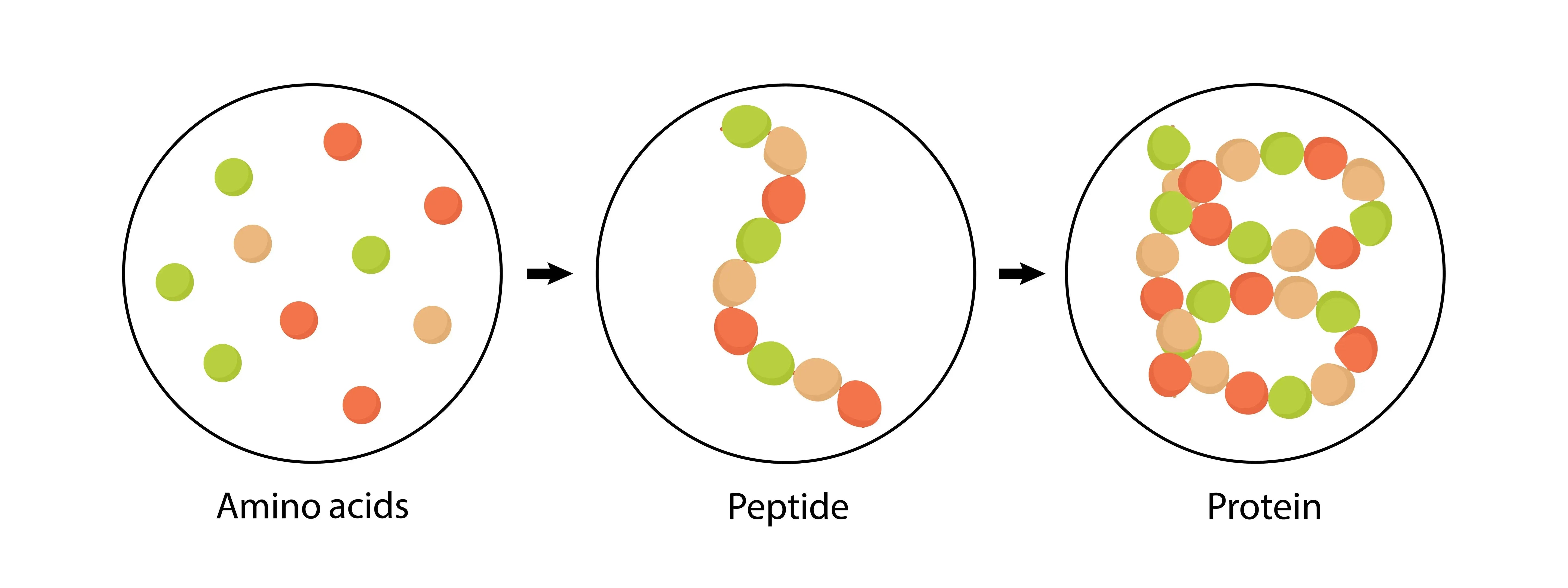
Peptides are short chains of amino acids, bound with peptide bonds. They’re shorter than full proteins.
Peptide Therapy sounds complex and hard to understand. But that’s not really the case. In a nutshell, peptide therapy is a therapy you get by working with a medical professional to boost your health and hormones. Some people call it hormone therapy.
As we age, certain hormones and functions are reduced. While this is normal, it can bring adverse effects including declining cognition, poor skin health, an increase in body fat, and reduced muscle tone.
Replicating Hormones for Health Benefits
Peptide therapy involves replicating certain hormones either by creating a bio-identical hormone or by creating peptides that lead to increased levels of the hormones.
As examples, a man with low testosterone might use peptide therapy to increase his basal testosterone levels. Likewise, an older female might use peptide therapy to produce more growth hormone.
The particular peptide used depends your symptoms, overall health goals, and your medical practitioner’s advice.
As one example, L-Citrulline is a popular amino acid used to boost athletic performance by boosting vasodilation. In doing so, it can also lower blood pressure.
There are many different peptides on the market today that serve to increase growth hormone production, help you lose weight, offer pain relief, or aid wound healing. And even potentially stop diseases from progressing.

Types of Peptide Therapy
As suggested, there are many variations of peptide therapy. But they generally fall into the following categories:
• Anti-aging peptide therapy. Focuses on human growth hormone (HGH). HGH is often called the Anti-Aging drug. This hormone occurs naturally in the body, produced by the pituitary gland. Higher levels have been linked to better skin, hair, and overall health.
Benefits of this therapy include weight loss, higher lean muscle mass, better sleep, getter cognition, improved immunity, better hair growth, and “reduced” aging.
All this makes it the “king” of peptides – a title it has certainly earned.
• Weight management. As people all around the world become more obese, this becomes more important than ever. Some peptides are known for moving fat away from your fat stores so your mitochondria can more easily use them for energy. (You should still exercise.)
Certain peptides are designed strictly for weight loss, and others specifically for building muscle mass.
• Sexual function. Peptides can improve libido, decrease blood pressure, and more.
• Overall health. Just what the name suggests. You try to increase your overall wellness with the highest quality peptides you can find.
• Other, including disease prevention. Includes peptides designed for very specific purposes, including muscle injury and diseases.
Peptides are being studied for:
- Prevention of Parkinson’s disease
- Protecting kidney function
- Reversing nerve cell damage
- Preventing degenerative eye diseases such as macular degeneration
- Treating multiple sclerosis, traumatic brain injuries, some types of cancer, and influenza A
- Improving glucose sensitivity
- Building bone density
- And even re-sensitizing antibiotic resistant bacteria to antibiotics again.
Science Daily contains articles on each of these and more.
How Peptide Therapy Works
We'll speak in generalities here, since there are many types of peptide therapy. You can’t expect the results to be completely uniform.
You’ll be diagnosed based on blood work, from which your medical professional will develop a treatment plan.
A specific peptide will be ordered, and is generally injected for fast access to your blood stream.
After a few weeks you’ll repeat the blood work to ensure the treatment is working, and also that you’re not having any negative side effects.

Is Peptide Therapy Safe?
Alternative practitioners regard peptide therapy as safe, although the FDA remains skeptical, as it does with many regenerative therapies.
In reality, you are probably your own biggest risk factor!
If you choose to get peptides from an online vendor instead of a doctor, you could be at risk. It's best to work with trained professionals so you end up with the right peptide at the right dose and at the best intervals.
Easier to Understand than You Think
Peptide therapy sounds intimidating. But it’s really quite simple. Most of these peptides are found in the body and in food... just maybe no longer at optimal levels.
Experienced clinicians are well-versed in administering peptide therapy. It can be used to enhance your health in many ways – from weight loss to increasing lean muscle mass, improving cognitive function, and more.
Reach out to Dr. John Spence, M.D. at 912-537-0221 if you’re interested in pursuing peptide therapy (or other regenerative therapies) with him. He’s located in Vadalia, Georgia. His website is https://regenmed.io/.

Listen to the UltraLife Today Podcast with Guest, Dr. John Spence
In today’s podcast, Dr. Spence discusses peptide therapy and other therapies he uses at his clinic.
Listen in to get the lowdown on Dr. Spence and how he treats wounds, plus peptide therapy, ozone therapy, PEMF, and much more. Our interview started last week, and continues today.
Invest a little time to improve your own health for 2023 by listening today and finding solutions to your health problems.



Share:
Is Chelation Therapy for Heart Disease a Good Idea?
Virtually Unknown Safe Drug Reverses Many Diseases