
You feel exhausted, foggy, achy. You’ve seen multiple doctors, run countless labs, and still—no answers. Maybe you’ve been told it’s “just stress,” or “just aging,” or worst of all… “It’s all in your head.” But deep down, you know something’s not right.
For thousands of people each year, the answer they’ve been searching for turns out to be Lyme disease—a stealthy, often misunderstood infection that can wreak havoc on nearly every system in the body.
And for far too many, it goes undiagnosed, untreated, or even worse, disbelieved.
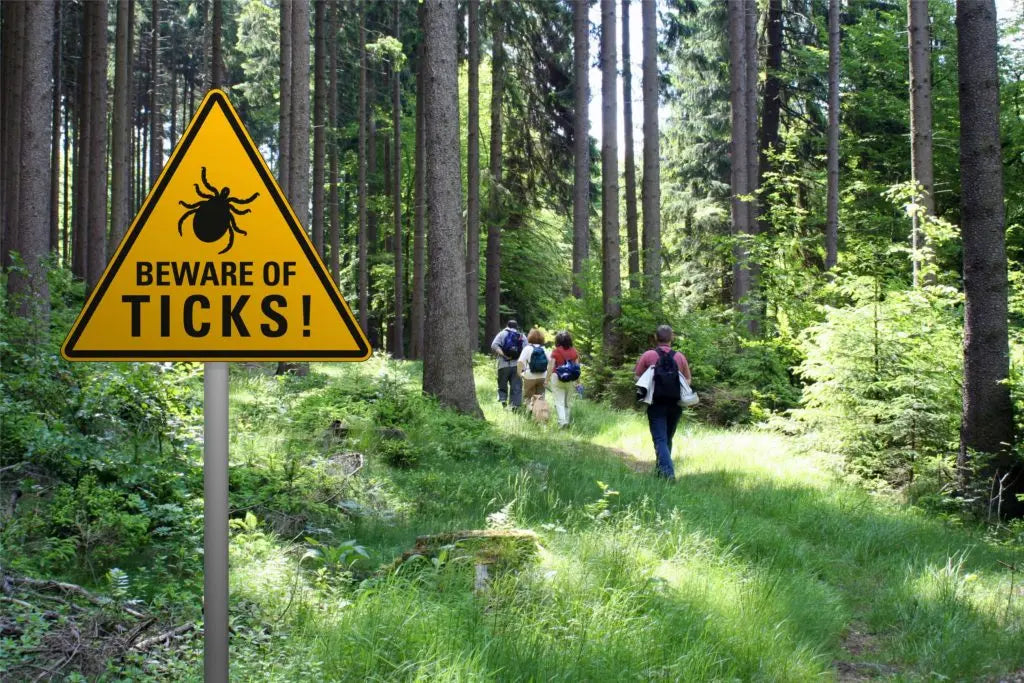
May is Lyme Disease Awareness Month, and it’s also when ticks are in nymph stage – so tiny you can hardly see them. Read up, be aware, and protect yourself.
What Is Lyme Disease, Really?
Lyme disease is caused by a spiral-shaped bacterium called Borrelia burgdorferi, transmitted primarily through the bite of infected black-legged ticks (also called deer ticks).
It’s historically been most common in the Northeastern and Midwestern U.S., but cases are now being reported in almost every state. Most people assume you’ll know you have Lyme because of the classic bull’s-eye rash.
But here’s the truth about Lyme disease: many people never get a Lyme rash at all—or it may appear in a place that’s hard to see, like the scalp, groin, or behind the knee.
There’s also increasing speculation in the scientific community that mosquitoes and other biting insects may play a role in transmission.
While not yet officially confirmed, it’s one possible explanation for how people develop Lyme-like symptoms without any known tick exposure or rash.
In addition, it can be made worse by either pre-existing co-infections such as cat scratch disease, or a concurrent co-infection from the same initial bite. More on co-infections below.

Lyme Symptoms Don’t Fit in a Box
Lyme isn’t a one-size-fits-all disease. It can affect the joints, the brain, the nervous system, the heart, and the gut. Early symptoms might look like the flu—fatigue, fever, chills, muscle aches.
But over time, the picture often becomes far more complex:
- Migrating joint pain
- Memory loss or brain fog
- Extreme sensitivity to light or sound
- Insomnia or crushing fatigue
- Mood swings, anxiety, or depression
- Tingling or numbness in the limbs
- Digestive problems with no clear cause
- Sudden psychosis
- Frightening behavioral changes
For many, these symptoms appear weeks, months, or even years after the initial infection—which makes connecting the dots even harder.
The Lyme Testing Problem
Testing is where things often go wrong. Conventional Lyme testing—like the ELISA and Western Blot used by most doctors—has serious limitations. These tests were designed for epidemic-level, early-stage Lyme with classic symptoms, not for complex or chronic cases.
If your immune system is suppressed (as often happens with chronic Lyme), the test may never pick up the antibodies at all.
That’s where comprehensive Lyme labs come in—such as those from IGeneX, Armin Labs, or Vibrant Wellness. These panels go far beyond basic antibody tests. They look for:
- Multiple strains of Borrelia (not just one)
- Common co-infections such as Babesia, Bartonella, and Ehrlichia
- Cellular immune responses (not just antibodies)
- Markers of immune suppression, inflammation, and mitochondrial stress
It’s like going from a blurry snapshot to a full, high-resolution image of what’s happening in your body.
The Role of Co-Infections in Lyme Disease
When someone is bitten by a tick (or possibly even a flea or mosquito), they may be exposed to more than just Lyme disease (Borrelia).
Many ticks carry multiple pathogens, which means a person can get infected with co-infections—other bacteria, parasites, or viruses that worsen symptoms and complicate recovery.
The most common and disruptive co-infections include Bartonella, Barbesis, and Ehrilichia. Bartonella is a stealthy, gram-negative bacterium.
The most well-known species is Bartonella henselae—the same one that causes “cat scratch disease,” which could be pre-existing and make Lyme worse.
In Lyme patients, Bartonella typically shows up as a chronic, systemic infection that can deeply impact the nervous system, blood vessels, and immune system.
Barbesia are parasites that live in the gut of the deer tick and can be transmitted with the tick bite. A 2016 study found that up to 20% of people infected with Lyme were also co-infected with Babesia… and that the babesiosis often went undiagnosed.
Ehrilichia is an infection caused by a bacteria. It can start out mild with flu-like symptoms but can necessitate hospitalizations in 60% of its cases. Most of the time it’s caused by a tick bite, usually the lone star tick or the blacklegged (deer) tick.

How Bartonella Complicates Lyme
Co-infections are a major reason why some people with Lyme don’t respond to treatment – or continue experiencing symptoms long after standard antibiotic protocols.
Co-infections can wreak havoc throughout the body for months and even years.
Bartonella Symptoms to Watch For:
- Irritability, panic attacks, ruminating thoughts
- Sensitivity to sound/light/vibration
- Sharp, stabbing, or burning nerve pain
- Vibrating or buzzing sensations in the body
- Digestive issues (often related to vagus nerve disruption)
- Skin lesions that look like scratches or stretch marks
- Enlarged lymph nodes, especially around the neck or armpits
Many of these are neurological—which is why Bartonella is sometimes called “the brain infection.”
It’s hard to detect and treat because Bartonella often doesn’t show up on standard blood tests. It can hide inside red blood cells, which makes it harder for the immune system—or antibiotics, for that matter—to reach.
Specialized testing (from labs like Galaxy Diagnostics, IGeneX, or Vibrant Wellness) is often needed. It also requires a different treatment approach than Borrelia:
- Bartonella responds best to specific antibiotics or herbal protocols (not just doxycycline)
- Treatment often needs to be longer and layered, addressing both microbial load and immune dysregulation
- Nervous system support and detox are critical—especially to avoid symptom flares (Herx reactions)
If you’re being treated for Lyme and aren’t getting better, or if you have more neurological and psychiatric symptoms than physical ones, it’s critical to test for Bartonella.
Barbesia and Lyme
Barbesia infection is most common in spring and early summer. It is more likely to be spread from nymph ticks than adult ticks.
You’re at greatest risk of complications and hospitalization from babesiosis if you have a compromised immune system, don’t have a spleen (or a well-working spleen), and/or are over age 60.
Symptoms start out flu-like but can progress due to the pathogen infecting and destroying your red blood cells.
Get to an emergency room if you have any of the following symptoms of barbesiosis:
- Fever over 103.
- Severe shortness of breath.
- Jaundice (yellow skin)
- Confusion or mental changes.
- Severe abdominal pain.

Ehrlichia and Lyme
Another potential co-infection is with the Ehrlichia bacteria. Ehrlichiosis symptoms typically show up one to two weeks post-bite. Symptoms include fever, chills, severe headache, muscle aches, nausea, vomiting, and, infrequently, a rash.
Severe cases may result in complications like meningoencephalitis, seizures, or coma. When co-infected with Lyme disease, patients may experience an intensified illness with a broader range of symptoms and a prolonged recovery period.
As previously stated, standard tests usually don’t detect multiple pathogens. Early detection and prompt treatment with appropriate antibiotics are crucial to prevent severe complications.
Healthcare providers should consider the possibility of co-infections in patients from tick-endemic areas presenting with atypical or severe symptoms.
Lyme Disease Treatments
It is imperative for healthcare providers to detect and treat co-infections that may present with Lyme.
Treating Lyme without addressing co-infections is like trying to put out a fire while ignoring the gas leak.
Why So Many People Are Dismissed by Physicians
The painful reality is that many doctors were trained to believe that Lyme is simple, easy to treat, and rare. If your standard labs come back normal, you don’t have a visible rash, and you “look okay,” the default response is usually dismissal.
You may be told your symptoms are due to stress, depression, or aging. You might be prescribed antidepressants, pain relievers, or told to come back in six months.
All the while, the infection continues to weaken your immune system, hijack your energy, and wear down your spirit. That’s not just frustrating—it’s dangerous.
How Lyme Is Treated—and Why One Size Doesn’t Fit All
If you catch Lyme disease early—within days or a couple of weeks after a tick bite—a short course of antibiotics like doxycycline can be effective.
But for many people, that window is missed. By the time Lyme is caught, the infection has turned systemic, and is complex and hard to treat. And that’s where conventional medicine falls far short.
Many doctors believe that if you’ve completed a round of antibiotics, you’re “cured.” Even if you still feel terrible.
But Lyme isn’t always that simple. The bacteria can evade antibiotics, hide in tissues, change forms, and even form protective biofilms around itself… slimy shields that make them hard to detect and reach.
That’s why Lyme-literate practitioners use a more comprehensive approach. They don’t just look for a quick fix—they work to restore the body’s balance, piece by piece.

Effective Treatment Plans
- Targeted herbal or pharmaceutical antimicrobials to address co-infections
- Support for detoxification pathways (liver, lymph, gut) to safely remove die-off and inflammation
- Mitochondrial and adrenal support to rebuild energy
- Gut healing protocols (since chronic infections often impair digestion and nutrient absorption)
- Nervous system regulation to calm the fight-or-flight response and restore rest, digestion, and healing
- Some patients also benefit from therapies such as:
- Ozone therapy
- Infrared sauna
- Low-dose naltrexone (LDN)
- IV nutrients
- Trauma-informed coaching or somatic therapies
Most importantly, treatments should be personalized. There is no “standard protocol” that works for everyone.
Many chronic Lyme patients only begin to improve when they step outside of the conventional model and work with someone who sees the whole picture from a personalized point of view.
Lyme Disease: An Ounce of Prevention
Avoiding contact with ticks is the best prevention against both Lyme disease and its common co-infections. If you go to woodlands or meadowlands – especially in May through July – take preventive measures.
While the use of insecticides has its inherent risks, so do tick bites. You must balance those factors to your personal satisfaction.
- Wear long pants and long-sleeved shirts. Tuck your pant legs into your socks to keep ticks out.
- Wear light-colored clothing to make it easier to spot ticks. This will not prevent ticks from getting on the clothing… just makes them easier to spot.
- Use a wide-brimmed hat to protect your head and neck areas.
- Spray insect repellent containing DEET or Picaridin on your shoes, socks, and exposed areas. Picaridin is considered less irritating than DEET.
- Oil of Lemon Eucalyptus is a natural option, considered comparable to low concentrations of DEET. Citronella and peppermint also show tick-repelling qualities.
- Avoid tick habitats whenever possible – especially tall grassy areas and brushy, wooded areas. Stay on cleared paths in wooded or grassy areas.
- Keep your lawn at less than 5” to keep ticks out of your yard.
- Inspect your entire body after spending time outdoors. If possible, have someone else look at your back, the backs of your legs (especially behind your knees), your neck and your scalp. Is possible, inspect your groin area with a mirror. Keep in mind that in spring and early summer, ticks are at nymph stage, which means they’re very tiny… about the size of a poppy seed. Inspect carefully.
- Take a shower and use a long-handled brush on areas you can’t see. This will remove ticks that have not yet attached to you… but not those that have already attached. So shower as soon as possible after coming inside.
- Learn how to safely remove ticks from yourself, especially if you live in or travel to tick-prone areas.
A tick must attach itself to you to transmit disease. This usually takes some time once the tick comes into contact with your skin or clothing.
Even when it attaches, scientists believe you may have as long as 36 hours to look for the tick and remove it before it transmits disease.
There Is a Path Forward
The good news? There are doctors and practitioners who do understand how to resolve Lyme and its co-infections.
“Lyme-literate” providers take a root-cause, whole-body approach that may include longer-term antimicrobial protocols (herbal or pharmaceutical), immune system support, detoxification, and gut healing.
They understand that treating Lyme isn’t just about killing bacteria—it’s about restoring balance to the body so it can heal. If you’ve felt unseen or unheard by your doctors, please recognize:
You are not crazy. You are not weak. You are not imagining this.
Your body is giving you real signals that something is wrong. And there is help, hope, and healing available.
What You Can Do Right Now
If any of this sounds familiar, here’s what to do next:
- Track your symptoms. Keep a journal—dates, patterns, severity. It will help a knowledgeable provider see the bigger picture.
- Seek out better testing. Ask about IGeneX, Armin Labs, or Vibrant Wellness panels that test for multiple pathogens and immune markers.
- Find a Lyme-literate provider. Visit ilads.org to search for one in your area.
- Support your body. Eat whole anti-inflammatory foods, rest deeply, move gently, reduce toxins, and find emotional support.
- Don’t give up. You deserve answers—and you deserve to feel well again.
Conclusion
If you have symptoms of Lyme disease, you are not alone. Thousands have walked this path and come out the other side stronger, wiser, and more connected to their bodies. With energy and wellness they haven’t found in “ages.”
You will have to advocate for yourself, or find someone to do so for you, given the predominant view of the conventional medical establishment that Lyme is easy to address and quick to resolve, as well as rare.

Frequently Asked Questions
What is Lyme Disease?
Lyme disease is a bacterial infection most often spread by the bite of an infected black-legged tick (also called a deer tick). While a bull’s-eye rash is a classic sign, many people never develop it.
Symptoms often start with fatigue, joint pain, or flu-like feelings and can progress to neurological and immune issues if not caught early.
What are the most common co-infections that come with Lyme Disease?
Ticks often carry more than one infection. The most common co-infections include Bartonella, Babesia, Ehrlichia, and Anaplasma. These can intensify symptoms, complicate diagnosis, and often require treatments beyond standard antibiotics.
What is the best way to find a knowledgeable Lyme-literate healthcare provider?
Look for a practitioner experienced with complex or chronic Lyme cases—often referred to as Lyme-literate doctors (LLMDs). Resources like ilads.org and online Lyme support groups can help you locate one.
It’s also helpful to seek providers who use comprehensive lab testing and integrative treatment approaches.
What are the best ways to prevent a Lyme infection from occurring?
Prevention starts with tick bite avoidance: wear long white-colored clothing outdoors, use tick repellents, and check your body and clothes after being in grassy or wooded areas.
Shower as soon after you get inside as possible, to help remove unattached ticks. Keep your yard tidy and stay on clear trails when hiking. Quick tick removal also lowers your risk of infection.



Share:
Boosting Curcumin Absorption Without Piperine: The New Way
Joint Health as You Age: Natural Strategies for Mobility